


Introduction
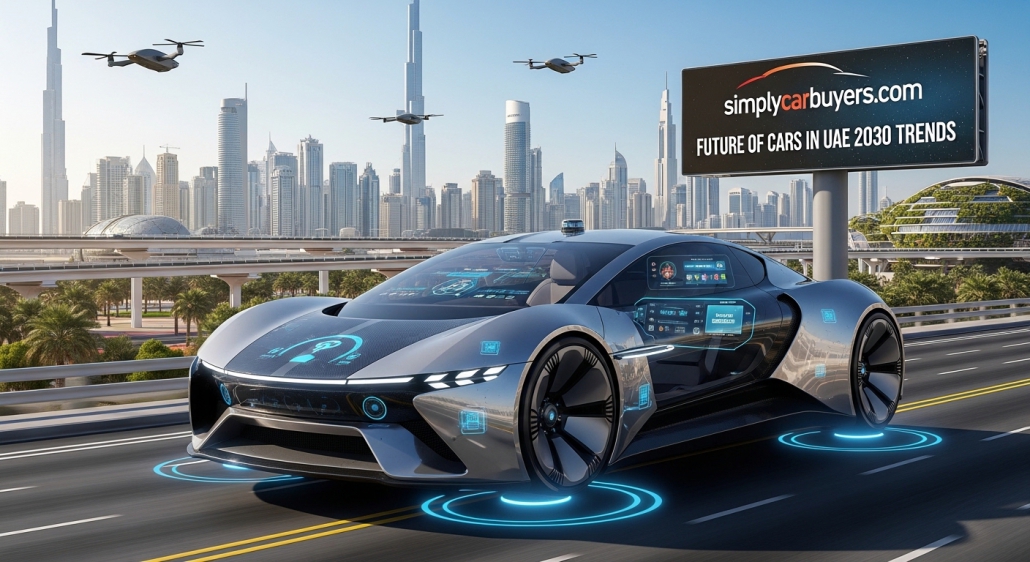
The Future of Cars in UAE 2030 is rapidly taking shape as the country invests heavily in innovation, sustainability, and smart mobility. Over the past decade, the UAE has positioned itself as a global leader in adopting advanced transportation technologies. As a result, the automotive industry is expected to undergo major transformations by 2030.
From electric vehicles to artificial intelligence and autonomous driving, the Future of Cars in UAE 2030 will redefine how people commute, travel, and interact with vehicles. In this guide, we explore the key trends shaping the future and what drivers can expect in the coming years.
Rise of Electric Vehicles (EVs)
First of all, electric vehicles are at the center of the Future of Cars in UAE 2030. The government is actively promoting EV adoption through incentives and infrastructure development.
For example, charging networks are expanding across major cities. In addition, electricity costs remain lower compared to fuel, making EVs more economical in the long run.
Moreover, global brands such as Tesla and BYD are increasing their presence in the UAE market. As a result, more affordable and high-performance electric cars are becoming available.
Smart Mobility and AI Integration
Another major aspect of the Future of Cars in UAE 2030 is the integration of artificial intelligence into vehicles.
AI-powered systems are improving:
- Driver assistance
- Traffic management
- Navigation accuracy
For instance, self-learning algorithms can analyze driving patterns and optimize routes. Furthermore, AI enhances safety by predicting potential hazards before they happen.
Because of these advancements, driving will become safer and more efficient.
Autonomous Driving Technology
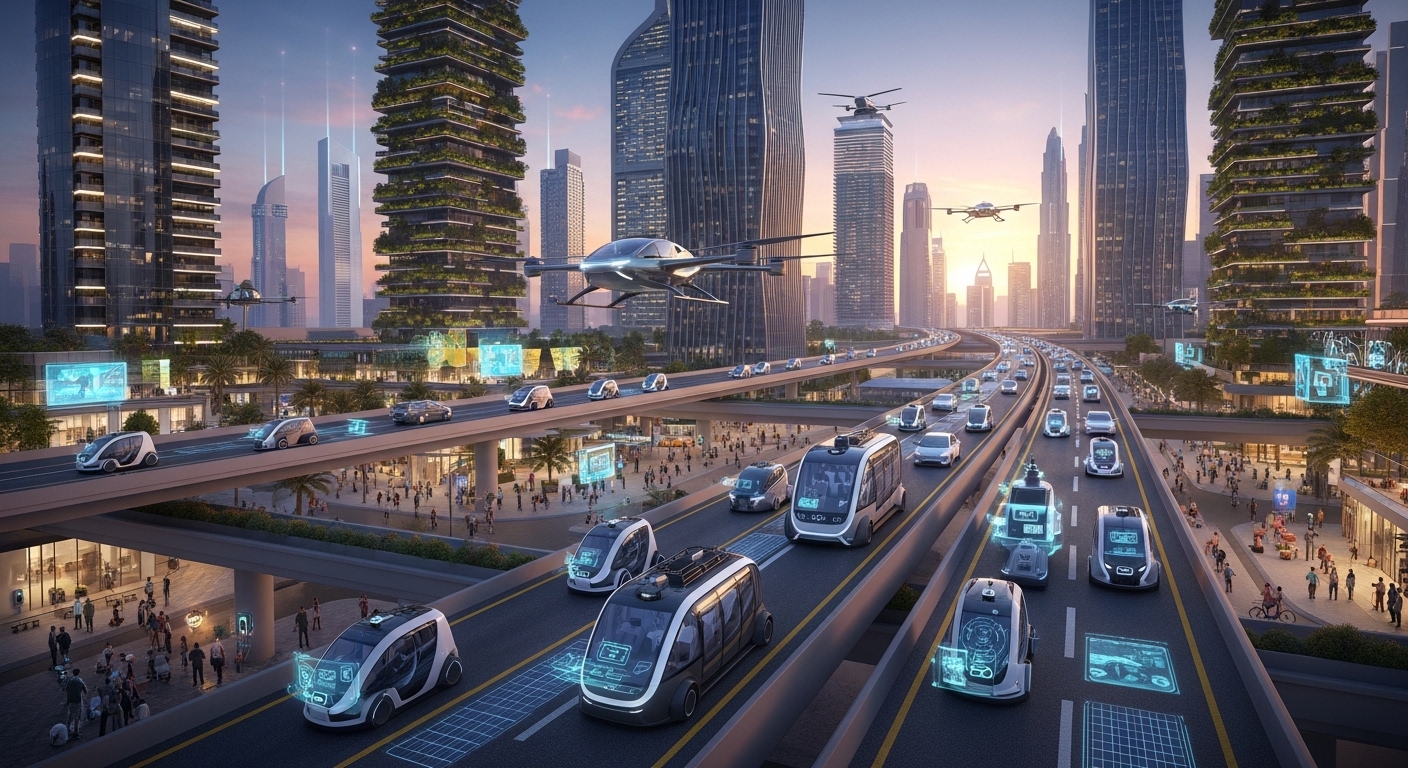
Autonomous vehicles are expected to play a key role in the Future of Cars in UAE 2030.
The UAE has already started testing self-driving cars, especially in smart city projects. Companies like Uber and Waymo are leading this transformation globally.
In addition, the government aims to make a significant percentage of transportation autonomous by 2030. As a result, traffic congestion and accidents may decrease significantly.
Connected Cars and IoT
Connected cars are another important trend in the Future of Cars in UAE 2030.
These vehicles use Internet of Things (IoT) technology to communicate with:
- Other vehicles
- Traffic systems
- Smart infrastructure
For example, cars can receive real-time updates about road conditions or traffic signals. Therefore, drivers can make better decisions and avoid delays.
Sustainability and Green Mobility
Sustainability is a major focus in the Future of Cars in UAE 2030.
The UAE is working to reduce carbon emissions by promoting:
- Electric vehicles
- Hybrid cars
- Public transport systems
Additionally, renewable energy sources are being integrated into charging infrastructure. As a result, transportation will become more environmentally friendly.
Changes in Car Ownership Models
Interestingly, the Future of Cars in UAE 2030 may also change how people own cars.
Instead of traditional ownership, many users may shift to:
- Car subscription services
- Ride-sharing platforms
- On-demand mobility solutions
This trend is already growing, especially in urban areas.
Impact on Car Buyers and Market
The Future of Cars in UAE 2030 will also affect buying decisions.
Buyers will start prioritizing:
- Technology features
- Energy efficiency
- Smart connectivity
👉 Related Guide:
https://simplycarbuyers.com/best-used-cars-in-uae-2026
Understanding market trends helps buyers make better long-term investments.
Challenges Facing the Future
Despite the progress, there are still challenges in achieving the Future of Cars in UAE 2030:
- High initial cost of EVs
- Infrastructure gaps in some areas
- Consumer awareness
However, these challenges are expected to decrease over time as technology improves.
Conclusion
In conclusion, the Future of Cars in UAE 2030 is driven by innovation, sustainability, and smart technology. Electric vehicles, AI systems, and autonomous driving will reshape the automotive landscape in the UAE.
Moreover, government support and rapid infrastructure development will accelerate this transformation. Therefore, drivers and investors should prepare for a future where cars are smarter, safer, and more environmentally friendly.
The shift is already happening. By 2030, the UAE is expected to become one of the most advanced automotive markets in the world.