


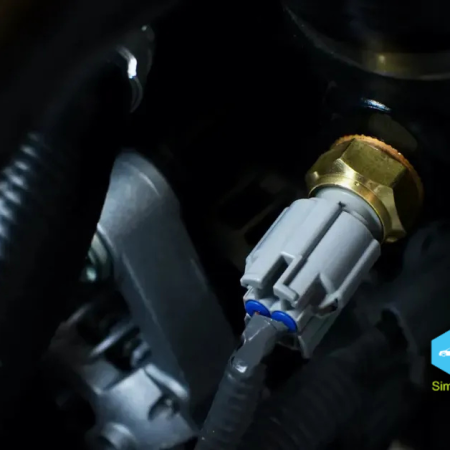
What Is an Oil Pressure Sensor?
The Oil Pressure Sensor is a small but critical component mounted on the engine block. Its primary job is to monitor engine oil pressure and send information to the vehicle’s computer system.
When oil pressure drops below the safe operating range, the Oil Pressure Sensor triggers a warning light on the dashboard, helping drivers prevent serious engine damage.
Without a properly functioning Oil Pressure Sensor, an engine may continue running with insufficient lubrication, leading to expensive repairs.
How Does an Oil Pressure Sensor Work?
The Oil Pressure Sensor continuously measures oil pressure inside the lubrication system.
Pressure Detection
The sensor contains a diaphragm or piezoelectric element that reacts to changes in oil pressure.
Signal Generation
As pressure changes, electrical resistance changes and generates a signal that is interpreted by the vehicle’s ECU.
Driver Warning
If pressure falls below the acceptable level, the Oil Pressure Sensor activates the oil warning light or displays a warning message on the dashboard.
Many modern vehicles use two sensors: one for low-pressure warnings and another for continuous digital pressure readings.
Why Is the Oil Pressure Sensor Important?
Early Warning System
The Oil Pressure Sensor helps detect oil leaks, clogged filters, failing oil pumps, and lubrication problems before they become severe.
Extended Engine Life
Proper oil pressure prevents metal-to-metal contact between engine components and helps maintain engine cooling.
Easier Diagnostics
Technicians can identify developing lubrication issues through unusual sensor readings during routine maintenance.
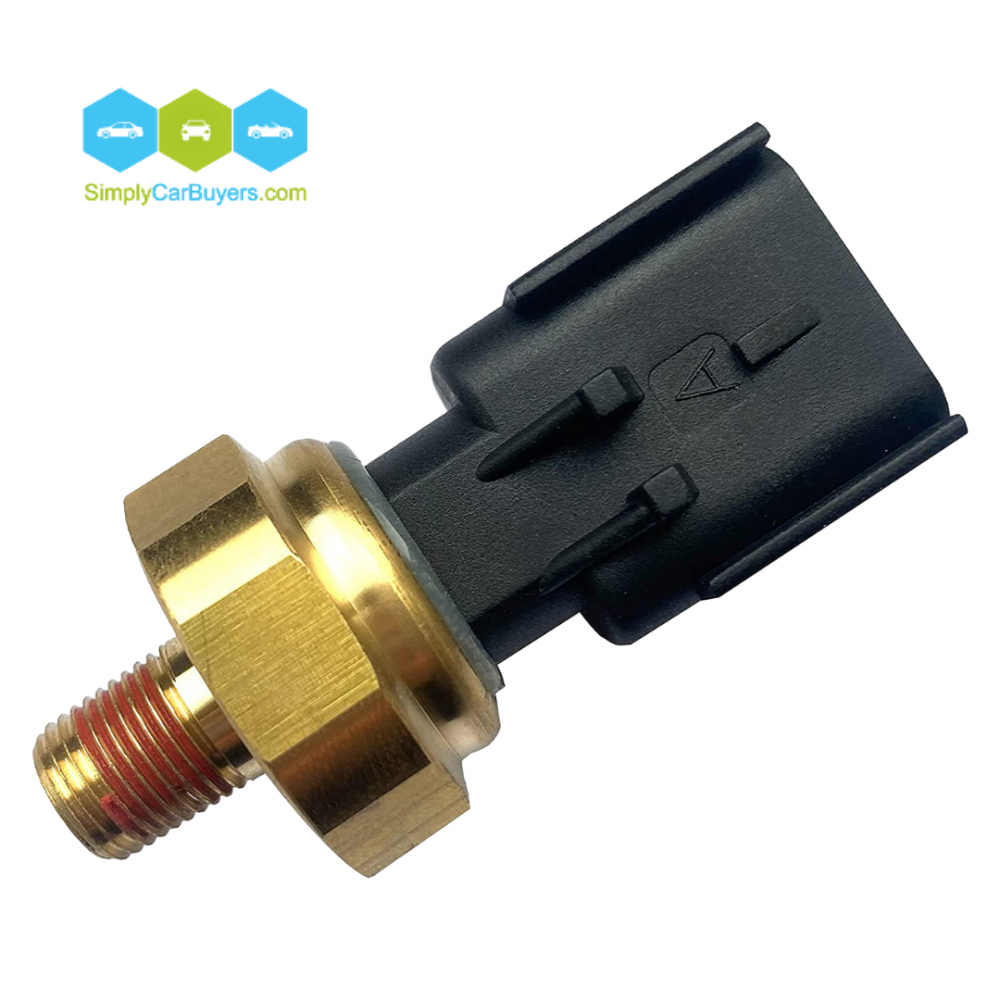
Common Oil Pressure Sensor Failure Symptoms
Intermittent Oil Warning Light
The oil light may illuminate while idling and disappear while driving, often caused by unstable internal resistance.
Erratic Pressure Readings
Pressure readings may suddenly jump from 0 to 120 psi due to sensor failure or damaged wiring.
Oil Leakage Around the Sensor
Oil visible near the sensor housing often indicates a worn seal or loose installation.
Engine Knocking or Ticking Noise
Low oil pressure can create metallic noises, particularly during cold starts.
Important: Never assume the sensor is faulty. Always verify oil level and confirm actual oil pressure using a mechanical gauge before replacing the component.
Real UAE Examples
Toyota Corolla
The oil warning light appeared only during braking. After inspection, the Oil Pressure Sensor was found to be defective. The repair cost was approximately AED 150 instead of replacing the oil pump for AED 2,000.
Hyundai Accent
Ignoring the oil pressure warning for one week resulted in crankshaft damage and repair costs exceeding AED 9,000.
How to Test and Replace an Oil Pressure Sensor
Testing Procedure
- Scan for diagnostic trouble codes such as P0520–P0524.
- Measure sensor resistance using a multimeter.
- Compare readings with manufacturer specifications.
- Install a manual oil pressure gauge to verify actual pressure.
- Inspect wiring and connectors for heat damage.
Replacement Procedure
- Disconnect the battery.
- Remove the old sensor using the proper socket.
- Install the new Oil Pressure Sensor with thread sealant or Teflon tape if specified.
- Tighten according to manufacturer torque specifications.
- Clear fault codes and perform a road test.
Replacement usually takes around 30 minutes, while sensor prices range between AED 50 and AED 200 depending on the vehicle model.
Tips to Protect Your Engine
- Use engine oils meeting API SP or ACEA C3 specifications.
- Replace the oil filter every 10,000 km or six months.
- Inspect for leaks after every service.
- Use high-quality synthetic oil for turbocharged engines and long-distance driving.
Reliable Vehicles Under AED 80,000
Toyota Corolla Cross Hybrid
Approximate Price: AED 75,000
Known for its dependable Denso Oil Pressure Sensor system.
Nissan Kicks
Approximate Price: AED 60,000
Simple sensor design and affordable maintenance costs.
Hyundai Creta
Approximate Price: AED 70,000
Widely available replacement parts.
Kia Seltos
Approximate Price: AED 65,000
Reliable Bosch sensor design and strong overall durability.
Frequently Asked Questions
Can I Drive With a Faulty Oil Pressure Sensor?
Only if actual oil pressure has been verified using a mechanical pressure gauge.
When Should an Oil Pressure Sensor Be Replaced?
There is no fixed replacement interval. Replace it if it leaks oil or provides inaccurate readings.
Is It the Same as an Oil Level Sensor?
No. The Oil Pressure Sensor measures oil pressure, while an oil level sensor measures the amount of oil in the oil pan.
Related Articles
- Complete Guide to Engine Oil Changes in the UAE
- Best Oil Filters for Gulf Climate Conditions
- How to Detect Engine Oil Leaks
3 Symptoms Of A Bad Oil Pressure Sensor & Replacement Cost
Conclusion
The Oil Pressure Sensor is a small component with a major responsibility. It protects your engine from severe damage by providing early warning of lubrication problems.
Ignoring an oil pressure warning could result in repair costs exceeding AED 10,000, while replacing a faulty sensor is usually quick and affordable.
Regular inspection and timely replacement can help maximize engine life and maintain your vehicle’s resale value.
Sell Your Car with Simply Car Buyers
Don’t wait until repair costs increase.
Sell your car today and receive an instant offer anywhere in Dubai or Abu Dhabi. We provide free vehicle valuation and a convenient collection service.
Get your free offer today.
Phone: 800 25
Email: info@simplycarbuyers.com