
Can EV Batteries Survive Dubai’s Heat? Complete Guide for Drivers
The Rising Popularity of Electric Cars in the GCC
Electric cars are rapidly gaining momentum across the GCC, particularly in Dubai and the UAE, where governments and drivers are embracing clean energy solutions. But a common question remains: can EV batteries in Dubai withstand extreme summer heat? With soaring temperatures reaching over 45°C (113°F) and car cabins heating up beyond 70°C, concerns about the durability of electric car batteries are natural.
This guide explores how EV batteries perform in hot climates, what manufacturers are doing to address these challenges, and practical steps you can take to protect your investment.
Understanding How EV Batteries Work
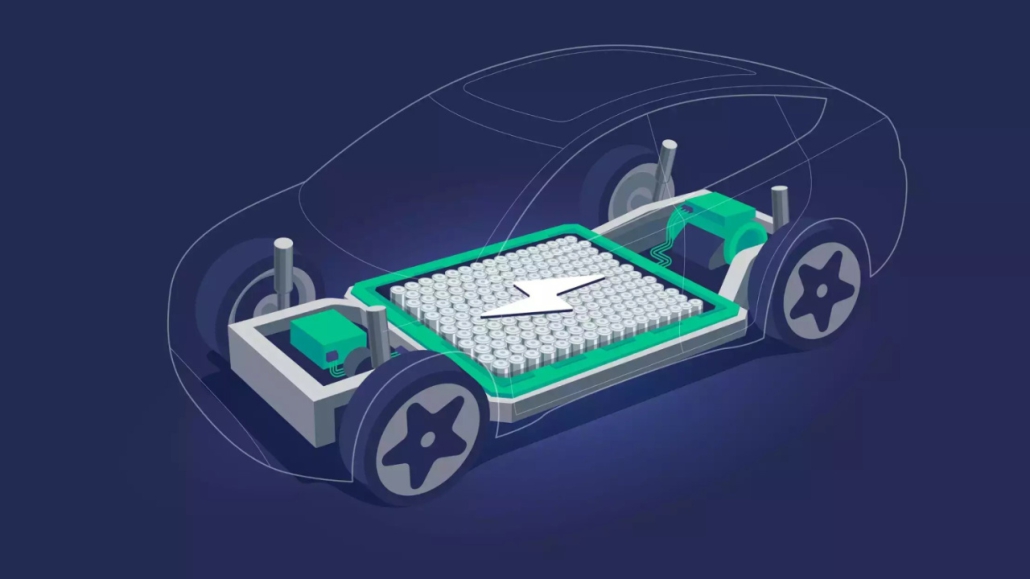
Most electric cars rely on lithium-ion batteries. These batteries perform best between 15°C and 35°C. Outside this range, efficiency drops, charging slows, and long-term wear accelerates.
Heat impacts the chemical reactions inside the battery. Prolonged exposure to high temperatures can cause:
-
Faster battery degradation
-
Reduced energy capacity
-
Slower charging speeds
-
Rare risks of overheating or thermal runaway
For a more detailed look at how batteries function, check out this EV battery management guide.
Can EV Batteries Handle Dubai’s Extreme Heat?
The short answer: yes, with the right technology. Modern electric cars are equipped with Battery Thermal Management Systems (BTMS) that regulate temperature.
Manufacturers like Tesla, BYD, BMW, Hyundai, and Nissan design their vehicles with advanced cooling technologies such as:
-
Liquid cooling systems to keep cells stable
-
Heat pumps for both heating and cooling
-
Temperature sensors and control software
-
Fail-safe mechanisms to prevent overheating
For example, Tesla’s liquid cooling technology has been tested in desert climates similar to the UAE, ensuring performance even in scorching heat.
What Happens to EV Batteries in High Heat?
When exposed to intense heat for long periods, EV batteries may face:
-
Reduced efficiency: More energy is used to power cooling systems.
-
Faster chemical wear: Lifespan can shorten without proper management.
-
Slower charging speeds: To avoid overheating, charging systems automatically limit power.
-
Potential safety risks: Rare but possible without cooling systems.
The good news? With advanced BTMS and proper use, these effects can be minimized.
Do All EVs Come with Cooling Systems?
Not all EVs are equal. Luxury models and newer generations often include active liquid-cooling systems, making them suitable for the Gulf climate. However, some budget-friendly or older EVs rely on passive air-cooling, which is less effective in extreme heat.
Before buying an electric car in Dubai, always check the battery cooling system. Compare options from platforms like Dubizzle Cars.
EV Adoption in the GCC: Success Stories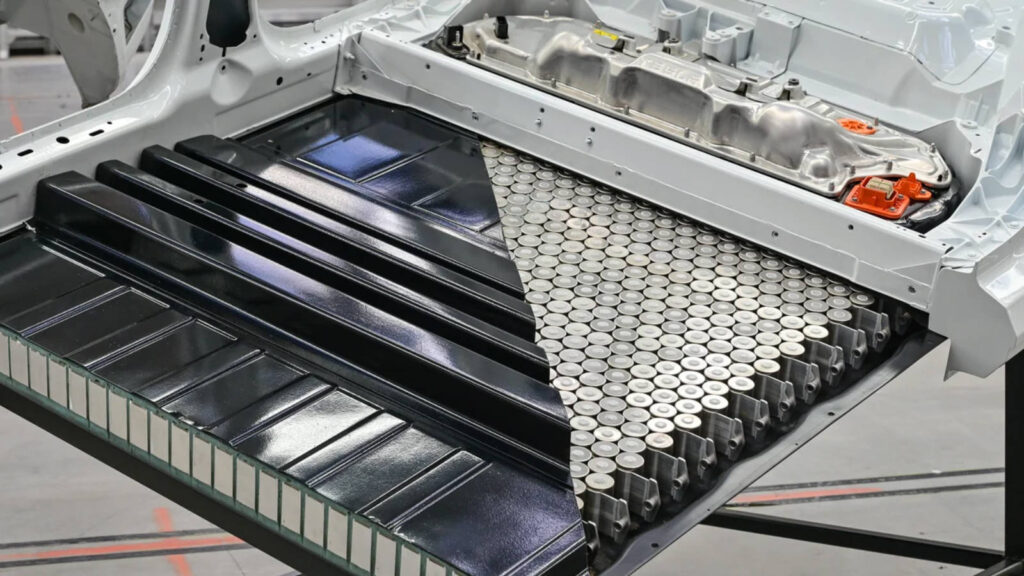
Despite the climate challenges, EV adoption in the Gulf is accelerating:
-
UAE: Aims for 50% clean energy by 2050 and has a growing EV charging network via DEWA.
-
Saudi Arabia: Investing heavily in EV production with Lucid Motors and Ceer.
-
Ride-hailing services like Uber and Careem are introducing electric fleets.
These success stories show that EV batteries in Dubai and the GCC can handle the heat with proper systems in place.
How Drivers Can Protect EV Batteries in Summer
Even with advanced technology, driver habits play a big role in battery health. Here are practical tips:
-
Park in shaded or covered areas whenever possible.
-
Avoid charging under direct sunlight.
-
Charge at night when temperatures are cooler.
-
Use pre-conditioning features to cool the cabin before driving.
-
Service your battery cooling system regularly.
For more details on boosting efficiency, see this EV range optimization guide.
EV Battery Lifespan in the Gulf
Most manufacturers provide 8-year or 160,000 km warranties for EV batteries. With proper care and a strong cooling system, EV batteries in Dubai can last 8–12 years, retaining up to 80–90% of their original capacity.
To safeguard your car, it’s also wise to explore EV insurance in the UAE that covers battery protection.
Final Thoughts: Can You Rely on EVs in Dubai?
The verdict: yes, EV batteries in Dubai can survive the summer heat, provided you choose the right model and adopt best practices for battery care. High-quality electric cars from trusted brands undergo rigorous desert testing and are designed to perform in extreme weather.
So, if you’re considering buying an EV in the UAE, prioritize models with liquid-cooled batteries, follow maintenance tips, and you’ll enjoy sustainable, worry-free driving in the Gulf’s hottest months.

