Brake Pad Replacement Guide for UAE Drivers
Introduction
Your vehicle’s braking system is one of its most important safety features. Every time you press the brake pedal, several components work together to slow down and stop the vehicle safely. Among these components, brake pads play a critical role.
Ignoring worn brake pads can lead to reduced stopping power, damage to brake rotors, and costly repairs. That is why timely Brake Pad Replacement is essential for maintaining vehicle safety and performance.
For drivers in the UAE, heavy traffic conditions, high temperatures, and frequent stop-and-go driving can accelerate brake wear. Understanding when to replace brake pads and recognizing early warning signs can help prevent serious mechanical problems and improve road safety.
What Is Brake Pad Replacement?
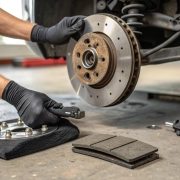
Brake pads are friction materials mounted inside the brake caliper. When the brake pedal is pressed, hydraulic pressure forces the pads against the rotating brake discs (rotors), creating friction that slows the vehicle.
Over time, the friction material wears down through normal use. Once the pads become too thin, they can no longer provide optimal braking performance. At this point, Brake Pad Replacement becomes necessary to maintain safe stopping distances.
Modern vehicles typically use ceramic, semi-metallic, or organic brake pads, each offering different levels of durability and performance.
How the Braking System Works
The braking system consists of several interconnected components.
Brake Pedal
The process begins when the driver presses the brake pedal.
Brake Fluid
Hydraulic brake fluid transfers force from the pedal to the braking components.
Brake Calipers
The calipers squeeze the brake pads against the rotors.
Brake Rotors
Rotors provide the friction surface needed to slow the wheels.
Brake Pads
Brake pads generate the friction required to stop the vehicle safely.
Routine brake inspections ensure these components continue to function properly.
Why Brake Pad Replacement Matters
Replacing worn brake pads at the correct time offers several important benefits.
Improved Safety
Healthy brake pads provide reliable stopping power during emergency situations.
Rotor Protection
Worn pads can damage brake rotors, increasing repair costs significantly.
Better Braking Performance
New brake pads improve responsiveness and shorten stopping distances.
Lower Maintenance Costs
Preventive brake service can help avoid expensive repairs involving:
- Rotors
- Calipers
- Brake sensors
- Hydraulic components
Greater Driving Confidence
A well-maintained braking system gives drivers peace of mind in all road conditions.
Signs You Need New Brake Pads
Several warning signs indicate it may be time for brake service.
Brake Warning Light
Many vehicles include wear sensors that activate dashboard warning lights.
Longer Stopping Distances
If the vehicle takes longer to stop than usual, brake pads may be worn.
Soft Brake Pedal Feel
A brake pedal that feels soft or spongy should be inspected immediately.
Visible Wear
Brake pads can often be inspected through the wheel openings. Thin friction material is a clear sign that replacement is approaching.
Vehicle Pulling During Braking
Uneven brake wear can cause the vehicle to drift to one side when slowing down.
Brake Pad Wear and Squealing Sounds
Unusual noises are among the most common indicators of brake problems.
High-Pitched Squealing
Many brake pads contain built-in wear indicators designed to produce a squealing sound when replacement is needed.
Grinding Noise
A grinding sound often means the friction material has worn away completely, allowing metal-to-metal contact.
Ignoring this issue can damage the rotors and significantly increase repair costs.
Clicking or Rattling Sounds
Loose brake hardware or worn components may create clicking noises during braking.
Any unusual sound should be inspected promptly.
Steering Wheel Vibration During Braking
Vibration while braking often indicates a problem within the braking system.
Common causes include:
- Uneven brake pad wear
- Warped brake rotors
- Excessive heat buildup
- Brake caliper issues
Persistent vibration should never be ignored, as it can affect vehicle control and safety.
How to Check Brake Pad Thickness
Regular inspections help determine when service is required.
Step 1: Park Safely
Park on a flat surface and engage the parking brake.
Step 2: Inspect Through the Wheel
Many vehicles allow visual brake pad inspection without wheel removal.
Step 3: Measure Thickness
Most technicians recommend replacing pads when the friction material reaches approximately 3 mm.
Step 4: Inspect Both Sides
Check both inner and outer pads for uneven wear.
Step 5: Examine Rotor Condition
Look for grooves, cracks, or excessive rotor wear.
Brake Pad Replacement Costs in UAE
The cost of replacing brake pads depends on vehicle type, parts quality, and labor charges.
| Service | Estimated Cost (AED) |
|---|---|
| Economy Vehicle | 150 – 400 |
| Sedan | 300 – 700 |
| SUV | 400 – 1,000 |
| Luxury Vehicle | 800 – 2,500 |
| Brake Inspection | 100 – 300 |
Luxury and performance vehicles often require premium components, resulting in higher service costs.
To understand overall vehicle servicing expenses, read our guide on:
Car Maintenance Costs UAE
Brake Maintenance Tips
Proper driving habits can extend brake life significantly.
Avoid Sudden Braking
Aggressive braking generates excessive heat and increases wear.
Maintain Safe Following Distance
Keeping a safe distance reduces the need for emergency braking.
Schedule Regular Inspections
Routine inspections help identify issues before they become expensive repairs.
Use Quality Replacement Parts
High-quality brake pads often provide better performance and durability.
Monitor Brake Fluid
Clean brake fluid supports efficient hydraulic operation.
If you are considering purchasing a used vehicle, review our:
Used Car Inspection Guide UAE
to identify potential brake system issues before buying.
Helpful Resources
For additional information about vehicle safety and brake systems, visit:
These organizations provide valuable maintenance and safety recommendations.
Brake Pad Replacement FAQs
How Often Should Brake Pads Be Replaced?
Most brake pads last between 30,000 and 70,000 kilometers depending on driving habits and road conditions.
Can I Drive with Worn Brake Pads?
Driving with severely worn pads is unsafe and may damage other brake components.
What Causes Brake Pads to Wear Faster?
Frequent braking, heavy traffic, high temperatures, and carrying heavy loads can accelerate wear.
Should Rotors Be Replaced with Brake Pads?
Not always. However, rotors should be inspected whenever brake pads are changed.
How Long Does Brake Service Take?
Most brake pad replacement procedures can be completed within one to two hours.
How to Change Brake Pads: A Step-by-Step DIY Guide
Conclusion
Regular Brake Pad Replacement is a crucial part of vehicle maintenance. Replacing worn pads on time improves safety, protects brake components, and reduces long-term repair costs.
Drivers who pay attention to warning signs such as squealing sounds, vibration, or reduced braking performance can avoid expensive repairs and maintain reliable stopping power.
For UAE motorists, where road conditions and high temperatures can increase brake wear, preventive maintenance should always be a priority.
Sell Your Car Easily with Simply Car Buyers
If your vehicle is becoming expensive to maintain or requires frequent repairs, Simply Car Buyers can help. We offer a fast, hassle-free process for selling your car anywhere in the UAE.
Get a competitive offer, complete the paperwork quickly, and receive payment without delays. Contact Simply Car Buyers today and discover the easiest way to sell your car in the UAE.