
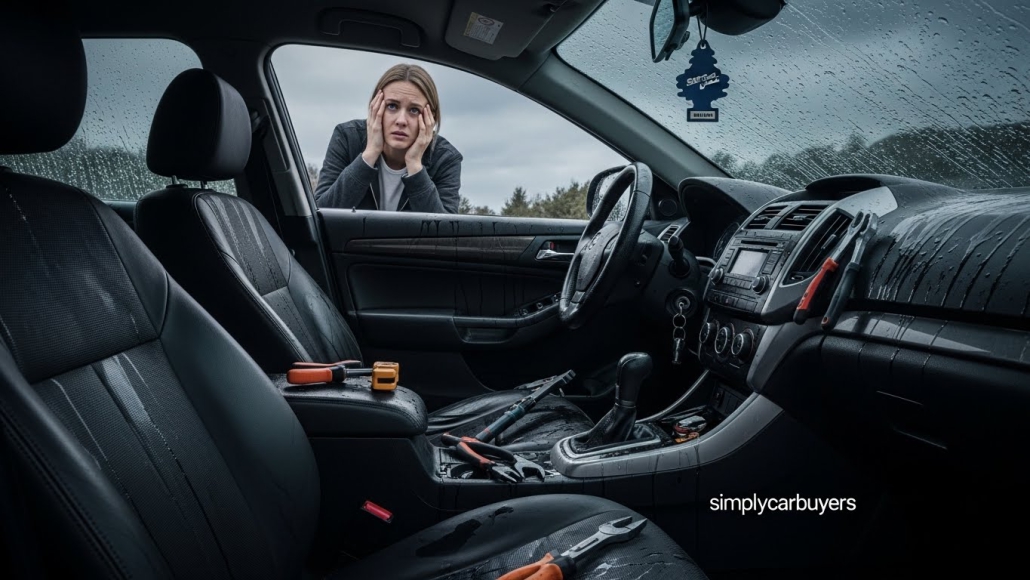
Protect Your Car from Floods and Rain – A Complete Guide
Knowing how to protect your car from floods and rain is becoming more important than ever. Heavy rainfall, flash floods, and unexpected storms can cause serious damage to vehicles, leading to costly repairs or even total loss. In the first moments of a storm, many drivers make decisions that increase the risk instead of reducing it. That’s why understanding proper preparation and response is essential.
In this guide, you will learn practical, real-world steps to protect your vehicle before, during, and after heavy rain or flooding situations.
Why Floods and Heavy Rain Are Dangerous for Cars
Floodwater is far more damaging than many drivers realize. Even shallow water can affect your car’s systems.
H3: Electrical and Engine Damage
Water can easily enter the engine bay, damaging sensors, wiring, and the ECU. Once this happens, starting the car can cause permanent failure.
H3: Interior and Structural Risks
Rainwater mixed with dirt and chemicals seeps into carpets and seats, causing mold, corrosion, and long-term odors. This damage is often expensive and difficult to reverse.
Understanding these risks is the first step to protect your car from floods and rain effectively.
How to Prepare Your Car Before Heavy Rain
Preparation is always easier and cheaper than repair.
Choose Safe Parking Locations
Avoid parking:
-
Near drains or underpasses
-
In low-lying areas
-
Close to construction zones
Instead, park on elevated ground or inside covered parking whenever possible.
Check Door and Window Seals
Old or damaged rubber seals allow rainwater to enter the cabin. Regular inspection helps reduce interior flooding.
Install Protective Accessories
-
Engine splash guards
-
Rubber floor mats
-
Windshield water-repellent coatings
These simple additions can significantly help protect your car from floods and rain.
What to Do During Heavy Rain or Flooding
When rain starts suddenly, your actions matter.
Avoid Driving Through Flooded Roads
If water reaches halfway up your tires, do not proceed. Many cars fail at water levels lower than expected.
Drive Slowly and Steadily
If driving is unavoidable:
-
Maintain low RPM
-
Avoid sudden braking
-
Keep distance from other vehicles
This reduces water intake and prevents engine stalling.
Turn Off the Engine if Water Rises
If water starts entering the engine bay, turn off the engine immediately. Restarting can cause hydro-lock, destroying the engine.
Steps to Take After Exposure to Floodwater
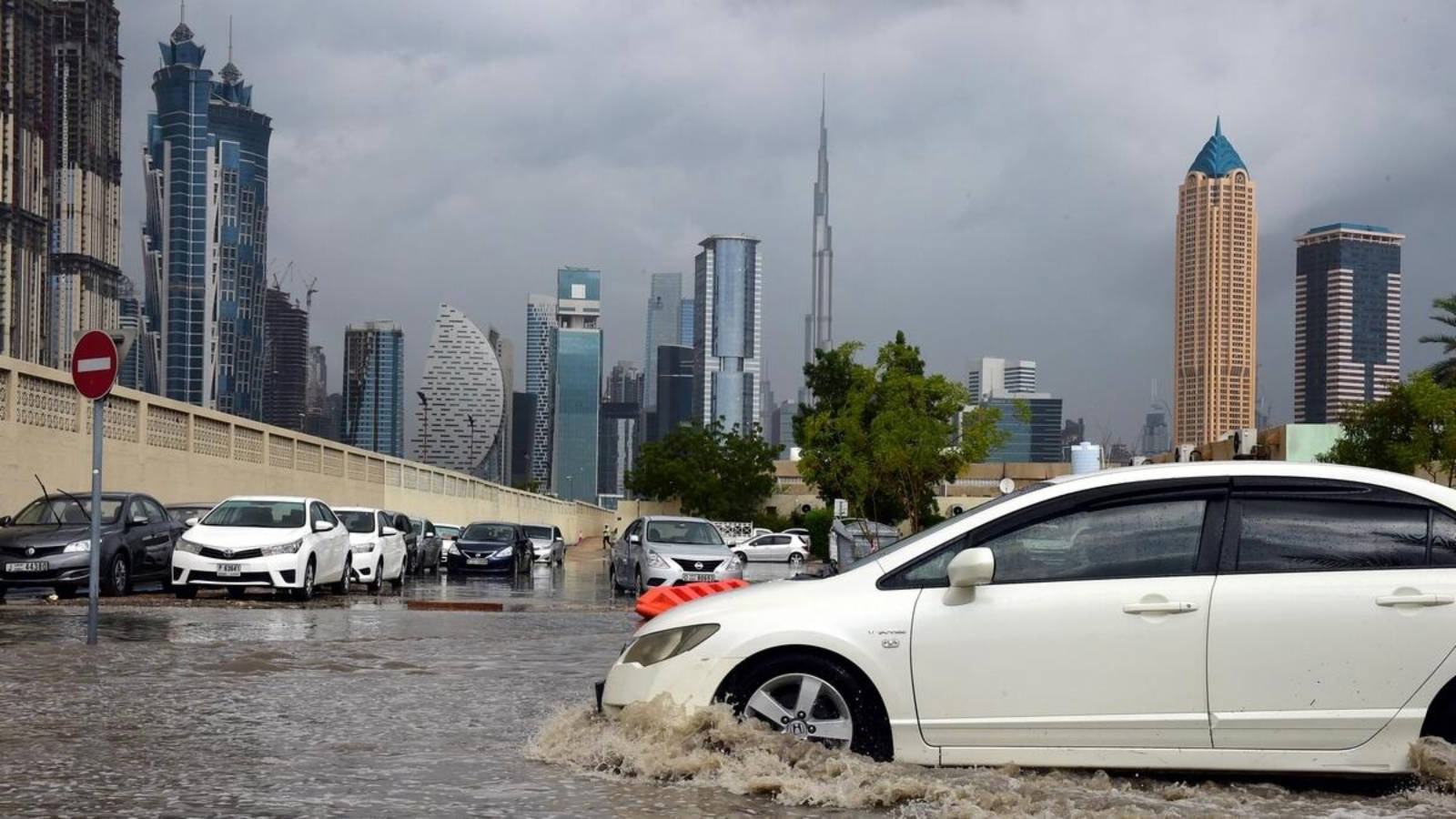
Even light flooding requires attention.
Do Not Start the Car Immediately
Starting a wet engine can multiply the damage. Tow the car to a service center instead.
Inspect Fluids and Filters
Check:
-
Engine oil
-
Transmission fluid
-
Air filter
Milky or cloudy fluids indicate water contamination.
Dry the Interior Thoroughly
Use professional drying tools to prevent mold growth. This step is critical to fully protect your car from floods and rain damage over time.
Insurance Coverage and Flood Damage
Many drivers assume insurance covers everything — but that’s not always true.
Comprehensive Insurance Matters
Flood damage is usually covered only under comprehensive insurance policies. Basic coverage often excludes water damage.
Document Everything
Take photos and videos immediately after the incident. This helps speed up claims and avoid disputes.
👉 Internal Link:
Learn more about car insurance options here
Common Mistakes Drivers Make During Floods
Avoid these costly errors:
-
Restarting the engine after stalling
-
Ignoring warning lights
-
Delaying inspection
-
Driving fast through water
Each mistake reduces your chance to protect your car from floods and rain successfully.
Long-Term Prevention Tips
Regular Maintenance
Well-maintained cars resist water damage better. Electrical seals, drainage channels, and underbody protection all play a role.
Follow Weather Alerts
Stay updated with official weather warnings to plan routes and parking in advance.
Official weather and safety updates:
https://www.ncm.ae
When Selling a Flood-Damaged Car
If flood damage is severe, selling may be the smartest option. Transparency is essential to maintain trust and avoid legal issues.
Professional car buyers often evaluate flood exposure fairly and handle paperwork efficiently.
Conclusion
Learning how to protect your car from floods and rain can save you thousands in repair costs and prevent long-term issues. From smart parking choices to proper actions during storms and correct post-flood steps, every decision counts.
With climate conditions becoming more unpredictable, preparation is no longer optional — it’s essential.

