
Engine Coolant Maintenance Guide for Better Engine Health
Introduction
Proper Engine Coolant Maintenance is one of the most important aspects of vehicle ownership. While many drivers remember to change engine oil and inspect tires, coolant maintenance is often overlooked. However, failing to perform regular Engine Coolant Maintenance can lead to overheating, reduced engine performance, and expensive repair bills.
In the UAE, where summer temperatures can exceed 45°C, the cooling system works harder than in many other countries. This makes routine Engine Coolant Maintenance even more critical for protecting your vehicle. By understanding how coolant works and recognizing early warning signs, drivers can avoid serious mechanical issues and extend engine life.
Engine Coolant Maintenance: What Is Engine Coolant?
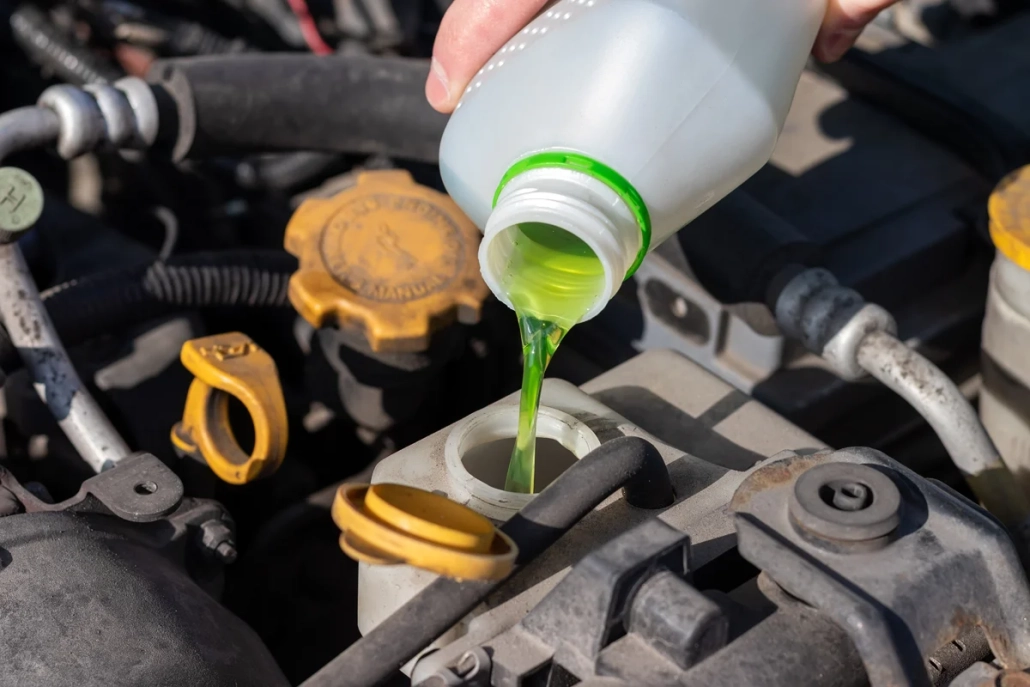
Engine coolant, commonly known as antifreeze, is a specially formulated liquid that circulates throughout the engine and radiator. Its primary role is to absorb excess heat from the engine and transfer it away to maintain safe operating temperatures.
Modern coolant contains a mixture of water and chemical additives designed to:
- Prevent engine overheating
- Protect against corrosion and rust
- Lubricate cooling system components
- Reduce mineral deposits
- Improve heat transfer efficiency
Without proper Engine Coolant Maintenance, these protective properties gradually deteriorate, leaving the engine vulnerable to damage.
How Engine Coolant Maintenance Protects Your Engine
The cooling system consists of several components working together to regulate engine temperature.
Radiator
The radiator releases heat absorbed by the coolant into the surrounding air.
Water Pump
The water pump circulates coolant through the engine, radiator, and hoses.
Thermostat
The thermostat controls coolant flow based on engine temperature.
Cooling Fans
Cooling fans assist the radiator in reducing coolant temperature, especially during slow-moving traffic.
Coolant Reservoir
The reservoir stores excess coolant and helps maintain proper system pressure.
Regular Engine Coolant Maintenance ensures these components work efficiently and prevents unnecessary wear.
Importance of Engine Coolant Maintenance
Routine Engine Coolant Maintenance offers numerous benefits.
Prevents Overheating
Coolant removes excess heat from the engine. When coolant levels drop or coolant becomes contaminated, engine temperatures can rise rapidly.
Protects Against Corrosion
Fresh coolant contains additives that protect metal surfaces from rust and corrosion.
Improves Engine Performance
An engine operating within its optimal temperature range performs more efficiently and consumes fuel more effectively.
Reduces Repair Costs
Regular Engine Coolant Maintenance can help prevent expensive repairs involving:
- Head gaskets
- Cylinder heads
- Water pumps
- Radiators
- Engine blocks
Extends Engine Life
Proper temperature regulation significantly increases engine longevity and reliability.
Signs You Need Engine Coolant Maintenance
Recognizing warning signs early can prevent serious engine problems.
Rising Temperature Gauge
A temperature gauge that consistently reads higher than normal may indicate coolant issues.
Coolant Warning Light
Many modern vehicles display a warning light when coolant levels become dangerously low.
Coolant Leaks
Visible green, orange, pink, or yellow fluid beneath the vehicle often indicates a coolant leak.
Sweet Smell Under the Hood
Coolant leaks frequently produce a noticeable sweet odor.
Steam from the Engine Bay
Steam escaping from beneath the hood is often a sign of overheating.
Reduced Heater Performance
A poorly functioning cabin heater may indicate insufficient coolant circulation.
Common Causes of Overheating Despite Coolant
Even with coolant present, overheating can occur for several reasons.
Low Coolant Levels
Leaks and evaporation can reduce coolant volume over time.
Radiator Blockages
Dirt and debris may restrict airflow and reduce cooling efficiency.
Thermostat Failure
A faulty thermostat can prevent coolant from circulating properly.
Water Pump Problems
Water pump failure disrupts coolant flow throughout the system.
Cooling Fan Malfunctions
Defective cooling fans can cause overheating during traffic congestion or idle conditions.
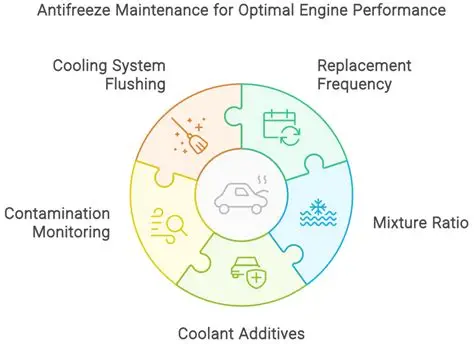
Routine Engine Coolant Maintenance helps identify these issues before they become severe.
Engine Coolant Maintenance Inspection Steps
Checking coolant condition is simple and should be part of regular vehicle maintenance.
Step 1: Park Safely
Park the vehicle on a level surface and switch off the engine.
Step 2: Allow the Engine to Cool
Never remove the radiator cap while the engine is hot.
Step 3: Locate the Coolant Reservoir
Find the coolant reservoir under the hood.
Step 4: Check Coolant Level
Ensure coolant remains between the minimum and maximum indicators.
Step 5: Inspect Coolant Condition
Healthy coolant should appear clean and brightly colored.
Look for:
- Rust-colored fluid
- Contamination
- Sludge buildup
- Unusual odor
Step 6: Check for Leaks
Inspect hoses, clamps, radiator connections, and the water pump area.
When to Schedule Engine Coolant Maintenance
Most manufacturers recommend coolant replacement at specific mileage or time intervals.
General guidelines include:
- Every 40,000–50,000 km for conventional coolant
- Every 80,000–150,000 km for long-life coolant
- Every 2–5 years depending on vehicle specifications
Because of extreme weather conditions in the UAE, drivers should inspect coolant levels more frequently.
Always follow the maintenance schedule provided in your vehicle owner’s manual.
Engine Coolant Maintenance Costs in UAE
Maintenance costs vary depending on vehicle type and service provider.
| Service | Estimated Cost (AED) |
|---|---|
| Coolant Top-Up | 50 – 150 |
| Cooling System Inspection | 100 – 300 |
| Coolant Flush | 150 – 400 |
| Coolant Replacement | 200 – 600 |
| Radiator Cleaning | 150 – 500 |
Although these services involve some expense, regular Engine Coolant Maintenance is far less costly than repairing an overheated engine.
Engine Coolant Maintenance Tips for Longer Engine Life
Follow these practical recommendations to maximize engine durability.
Check Coolant Monthly
Routine inspections help detect leaks before they become serious.
Use Manufacturer-Approved Coolant
Always use the coolant specified by your vehicle manufacturer.
Avoid Mixing Different Coolants
Mixing incompatible coolant types can reduce protection and create deposits.
Replace Worn Hoses Promptly
Damaged hoses are a common source of coolant leaks.
Monitor Engine Temperature
Pay attention to dashboard warning lights and temperature gauges.
Follow Scheduled Maintenance
Preventive maintenance remains the most effective strategy for avoiding major cooling system failures.
Recommended Resources
For additional maintenance guidance, visit:
Internal Links
- https://simplycarbuyers.com/car-maintenance-costs-uae/
- https://simplycarbuyers.com/used-car-inspection-guide-uae/
Outbound Resources
These resources provide valuable information about vehicle maintenance and cooling system care.
Engine Coolant Maintenance FAQs
Can I Drive with Low Coolant?
Driving with low coolant can quickly lead to overheating and engine damage.
Can Water Replace Coolant?
Water may be used temporarily in emergencies, but it should not replace coolant permanently.
How Often Should Coolant Be Changed?
Most vehicles require coolant replacement every 2–5 years, depending on manufacturer recommendations.
What Happens If Coolant Is Never Changed?
Old coolant loses its protective additives, increasing the risk of corrosion, overheating, and component failure.
Can Coolant Leaks Damage My Engine?
Yes. Continued coolant loss can cause severe overheating and expensive repairs.
Conclusion
Regular Engine Coolant Maintenance is essential for preventing overheating, reducing wear, and extending engine life. By checking coolant levels, replacing old coolant, and addressing leaks promptly, drivers can avoid costly repairs and improve vehicle reliability.
For drivers in the UAE, where high temperatures place additional stress on cooling systems, routine Engine Coolant Maintenance should be a top priority.
Sell Your Car Easily with Simply Car Buyers
If your vehicle is becoming expensive to maintain or you’re considering upgrading to a newer model, Simply Car Buyers can help. We offer a fast, hassle-free process to sell your car anywhere in the UAE. Get a competitive offer, complete the paperwork quickly, and receive payment without delays.
Contact Simply Car Buyers today and experience the easiest way to sell your car in the UAE.

